



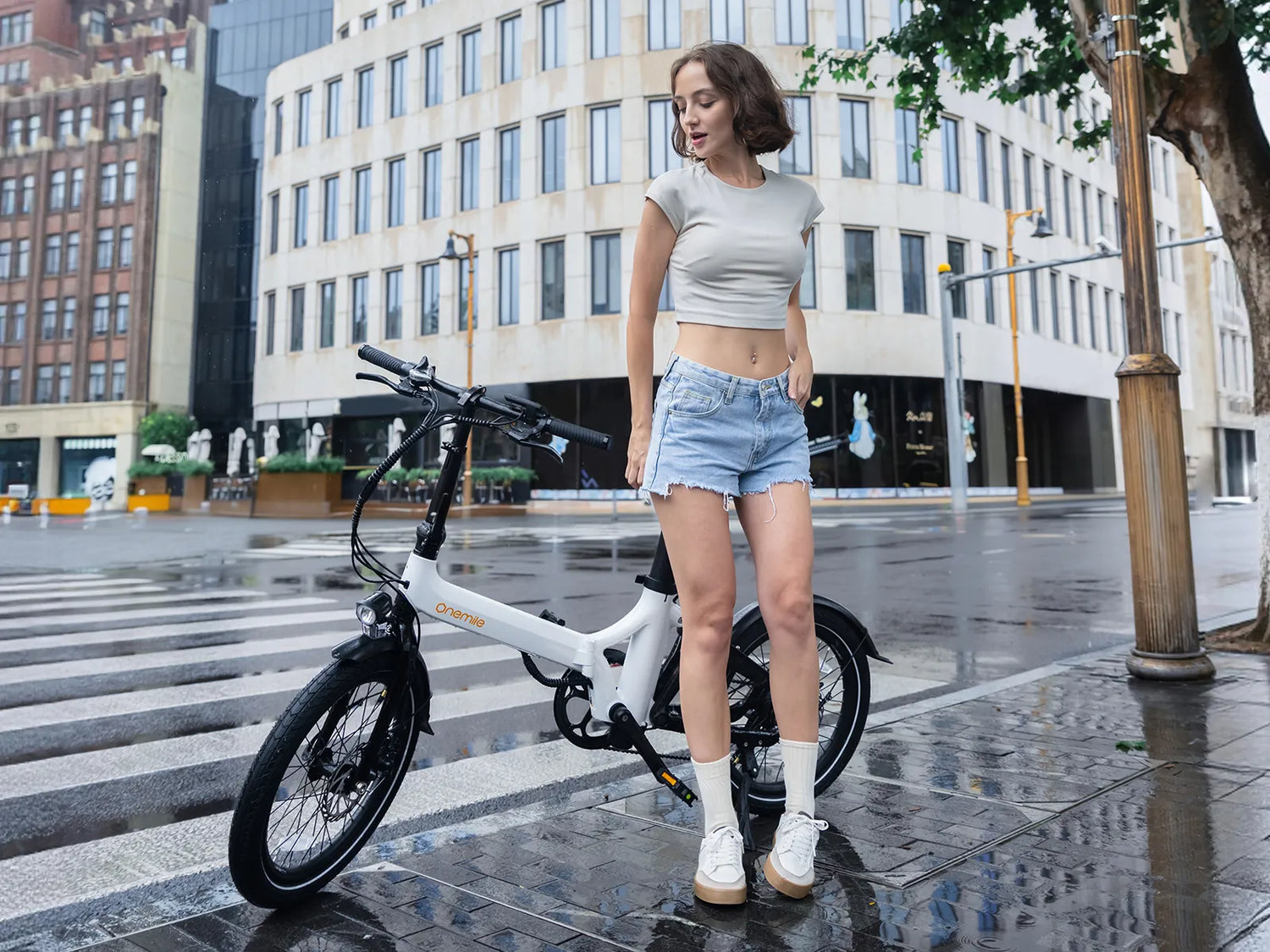
Worauf Sie bei einem 20-Zoll faltbaren E-Bike achten sollten: Ein vollständiger Kaufratgeber
A 20-Zoll elektrisches faltbares Fahrrad ist zu einer ernsthaften Mobilitätswahl für Stadtfahrer und Wochenend-Entdecker geworden. Aber die billigste oder leichteste Option auf dem Markt zu wählen, bedeutet oft vermeidbare Kompromisse einzugehen. Dieser Leitfaden behandelt die Faktoren, die langfristige Zufriedenheit wirklich definieren — und warum es wichtig ist, sie richtig zu wählen.

Warum 20 Zoll für faltbare E-Bikes?
Es gibt einen Grund, warum 20 Zoll zur Standard-Radgröße für faltbare E-Bikes geworden ist. Größere 26- oder 28-Zoll-Räder lassen sich schwer kompakt falten, während kleinere Räder die Fahrstabilität auf realen Straßen beeinträchtigen. Bei 20 Zoll ist das Gleichgewicht zwischen kompakter Faltbarkeit, urbaner Wendigkeit und Fahrvertrauen gut optimiert.
Ein 20-Zoll faltbares E-Bike passt ordentlich in einen Kofferraum, einen schmalen Flur oder einen kleinen Stauraum. Es fährt gut auf Asphalt und bewältigt mit dem richtigen Reifen ebenso leicht leichte Schotter- oder Waldwege.
Reifenbreite: Komfort und Sicherheit beginnen hier
Viele günstige faltbare E-Bikes verwenden schmale 1,75-Zoll-Reifen — günstiger in der Herstellung, aber spürbar härter auf unebenen Oberflächen. Ein breiterer Reifen (z. B. 2,25 Zoll) wirkt wie eine natürliche Federung: es absorbiert Unebenheiten, hält mehr Kontakt zur Straße und meistert nasse Kurven sicherer.
Bei einem faltbaren E-Bike ist dies kein kleines Detail — es ist bei jeder Fahrt spürbar. Breitere Reifen tragen direkt zum Komfort, zur Stabilität und zur Sicherheit bei, besonders bei nassen, beschädigten oder gepflasterten Straßen.

Drehmomentsensor vs. Kadenzsensor: Der Unterschied, den Sie bei jedem Pedaltritt spüren
Der Sensor, der bestimmt, wie der Motor Sie unterstützt, ist eine der wichtigsten — und am meisten übersehenen — Spezifikationen bei jedem E-Bike. Es gibt zwei Haupttypen, die in Pedalunterstützungssystemen verwendet werden:
Kadenzsensor
l Erkennt, ob und wie schnell Sie treten (Rotationsfrequenz)
l Lieferte eine feste, vorbestimmte Leistungsstufe, wenn Pedalieren erkannt wird
l Motor schaltet ein und aus — kann abrupt oder mechanisch wirken
l Weit verbreitet bei Einsteigermodellen
Drehmomentsensor
l Misst die tatsächliche Kraft, die Sie auf die Pedale ausüben
l Der Motor verstärkt genau, wie stark Sie treten — proportional und in Echtzeit
l Die Unterstützung setzt natürlich ein und aus und fühlt sich wie eine Verlängerung der eigenen Kraft an
l Effizienter für die Batteriereichweite, da die Leistung dem tatsächlichen Bedarf angepasst wird
Sehr einfache Systeme basieren hauptsächlich auf einem radbasierter Geschwindigkeitssensor: er misst, wie schnell sich das Rad dreht und begrenzt die Unterstützung, sobald eine bestimmte Geschwindigkeit erreicht ist, verbessert jedoch nicht, wie sanft und natürlich sich diese Unterstützung während der Fahrt anfühlt.
Für natürliches, dynamisches Fahren in der Stadt ist ein Drehmomentsensor die lohnendere Wahl.
Rahmenmaterial: Warum Magnesium mehr als nur ein Marketingversprechen ist
Drei Rahmenmaterialien dominieren den Markt für faltbare E-Bikes: Stahl, Aluminium und Magnesiumlegierung. Stahl ist schwer und langlebig; Aluminium ist leichter und weit verbreitet. Magnesiumlegierung bietet jedoch etwas Besonderes.
Einteiliger Magnesium-Druckgussrahmen hat keine Schweißnähte — und keine Schweißnähte bedeuten keine strukturellen Schwachstellen. Der Rahmen verteilt die Last gleichmäßig über die gesamte Struktur, was bei einem Faltrad, das täglich mechanisch geöffnet und geschlossen wird, wichtig ist. Magnesiumlegierungen werden auch in der Luft- und Raumfahrtindustrie verwendet, wo dieselben Anforderungen an hohe Festigkeit bei geringem Gewicht gelten.
Das optische Ergebnis ist ebenso bemerkenswert: eine nahtlose, geformte Form ohne sichtbare Verbindungen — eine Ästhetik, die mit geschweißtem Aluminium einfach schwer zu erreichen ist.

Bremsen: Der Faktor, der Sicherheitsreserven entscheidet
Mechanische Scheibenbremsen sind eine Verbesserung gegenüber Felgenbremsen — aber hydraulische Scheibenbremsen spielen in einer anderen Liga. Bei einem E-Bike, das schnell beschleunigt und im Straßenverkehr zuverlässig stoppen muss, ist dieser Unterschied nicht nur kosmetisch.
Hydraulische Scheibenbremsen sind selbstjustierend, erfordern weniger Handkraft zum Bedienen und modulieren progressiv — was dem Fahrer eine präzise Kontrolle über den Bremsweg ermöglicht. Sie schwächen nicht bei längeren Abfahrten ab. Bei einem 25 km/h Pedelec sind hochwertige hydraulische Scheibenbremsen daher eine sehr sinnvolle Sicherheitsverbesserung.

Federung: Hintere Platzierung, Komfort auf höchstem Niveau
Viele städtische faltbare E-Bikes verzichten auf eine Federgabel, um den Faltmechanismus kompakt und das Gesamtgewicht gering zu halten. Dennoch müssen Sie sich nicht zwischen Komfort und einer praktischen gefalteten Größe entscheiden.
A hinterer Stoßdämpfer direkt unter dem Fahrer positioniert, absorbiert er Stöße genau dort, wo das Körpergewicht konzentriert ist. Ist die Feder verstellbar, kann die Dämpfung individuell auf Gewicht und Fahrstil abgestimmt werden. Eine gut‑abgestimmte Hinterradfederung sorgt für spürbar mehr Komfort auf längeren Fahrten — nicht als Notlösung, sondern als hocheffiziente Federung für faltbare E-Bikes.

Motor und Akku: Die Spezifikationen verstehen
Bei Pedelecs sind 250 Watt Motorleistung der übliche Standard, daher sagt die Wattzahl allein wenig darüber aus, wie das Fahrrad klettert. Drehmoment ist in der Praxis wichtiger: Ein Motor mit 55 Nm unterstützt spürbar auch an steileren Anstiegen, ohne viel Kraftaufwand zu verlangen.
Die reale Reichweite hängt sowohl von der Batteriekapazität als auch von der Qualität der darin verbauten Zellen ab. Selbst bei gleicher Ah-Bewertung können sich Modelle aufgrund der Motor-Effizienz, des Gesamtgewichts und des Zelltyps deutlich unterscheiden. Premium-Markenakkus (wie Samsung 21700) bieten in der Regel eine höhere Energiedichte und eine längere Lebensdauer als generische, kostengünstige Zellen.
Ein vollständig in die Sattelstütze integrierter Akku hält die Silhouette des Fahrrads sauber und kann zum Laden einfach zu Hause oder im Büro entnommen werden.
Zusätzliche Funktionen, die einen echten Unterschied machen
Nicht alle faltbaren E-Bikes verfügen über denselben Funktionsumfang. Diese Zusatzausstattungen unterscheiden leistungsfähige, praktische Modelle von einfachen:
l Automatischer Lichtsensor: Ein Frontlicht ist in vielen europäischen Ländern für den Straßenverkehr gesetzlich vorgeschrieben. Was Premium-Modelle auszeichnet, ist ein automatischer Sensor, der das Frontlicht bei Dunkelheit einschaltet — etwa in einem Tunnel, einer Unterführung oder bei Dämmerung — ohne dass ein manueller Schalter betätigt werden muss.
l USB-Ladeanschluss am Display: Viele E-Bikes verfügen über ein Display, aber ein integrierter USB-Anschluss zum Laden eines Smartphones oder Navigationsgeräts während der Fahrt ist eine Premium-Ausstattung und nicht selbstverständlich.
l Gehhilfe-Modus: Nicht bei allen Modellen verfügbar — diese Funktion treibt das Fahrrad mit etwa 6 km/h voran, ohne dass der Fahrer in die Pedale treten muss, was beim Schieben bergauf oder beim Manövrieren mit Gepäck nützlich ist.
l Magnetisches Faltschloss: Zwei starke Magnete halten das Fahrrad sicher geschlossen, wenn es zusammengeklappt ist, und verhindern ein unbeabsichtigtes Aufklappen während des Transports.
l Integrierter Tragegriff: Im Rahmen integriert, ermöglicht dies das Tragen des zusammengeklappten Fahrrads mit einer Hand — ein Detail, das in der Praxis einen spürbaren Unterschied macht.
l Klappbare Pedale: Reduziert die Breite des zusammengeklappten Fahrrads erheblich, was Lagerung und Transport erleichtert.
l IP65 Wasserschutz: Bestätigt, dass Elektronik und Batterie gegen Regen und Staub geschützt sind — wesentlich für ein ganzjährig genutztes Fahrrad.
Onemile Nomad: Ein 20-Zoll-Klapp-E-Bike ohne Kompromisse.
Onemile Nomad ist ein 20-Zoll-Klapp-E-Bike, das nach einem einzigen Prinzip entwickelt wurde: Kein einzelnes Merkmal darf auf Kosten eines anderen gehen. Gewicht, Komfort, Sicherheit und Verarbeitung werden als gleich wichtig behandelt. — ein Gleichgewicht, das in einer Kategorie selten ist, in der die meisten Modelle aggressiv einen Faktor optimieren und an anderer Stelle Kompromisse eingehen.
Die Spezifikation spiegelt diesen Ansatz wider:
l Motor: 250 W Aikema Hinterradnabenmotor, 55 Nm Drehmoment, geräuscharmer Schneckenantrieb.
l Sensor: Drehmomentsensor für natürliche, proportionale Unterstützung.
l Bremsen: Tektro hydraulische Scheibenbremsen, 160 mm vorne und hinten.
l Schaltung: Shimano Altus 7-Gang — Eine klare Stufe über dem Einstiegs-Shimano Tourney, das bei günstigen Wettbewerbern verbaut ist.
l Reifen: Kenda 20 × 2,25 Zoll mit Pannenschutz und reflektierenden Seitenstreifen
l Federung: Verstellbarer hinterer Stoßdämpfer mit 650 lb Feder, an das Fahrergewicht anpassbar — nicht bei den meisten konkurrierenden Klapp-E-Bikes zu finden
l Batterie: Premium Samsung 21700 Zellen, 10 Ah oder 15 Ah (bis zu ca. 100–150 km, je nach Modell), vollständig in der Sattelstütze integriert; zum Laden innen abnehmbar.
l Display: Vollfarbiges IPS-LCD mit USB-Ladeanschluss und automatischem Lichtsensor.
l Zertifizierungen: TÜV Rheinland CE-zertifiziert, vollständig StVZO-konform. — Legal auf öffentlichen Straßen in Deutschland und ganz Europa.
l Gewicht: 17,9 kg ohne Batterie, ca. 20 kg mit Batterie.
l Maximale Belastung: 120 kg
l Fahrergröße: 10 Ah geeignet ab ca. 150 cm; 15 Ah Version ab ca. 165 cm.
l Garantie: 3 Jahre Garantie auf den Rahmen; 2 Jahre auf Batterie und Teile.
Der Rahmen wird als einteiliges Magnesium-Druckgussstück hergestellt. — Keine Schweißnähte — Mit einer metallischen Lackierung, die in mehreren Schichten aufgetragen und eingebrannt wurde, für eine langlebige, hochwertige Oberfläche. Nomad wird nahezu vollständig vormontiert geliefert. — Setzen Sie die Sattelstütze ein, stellen Sie den Lenker ein, und die erste Fahrt kann beginnen.


Hinterlasse einen Kommentar
Alle Kommentare werden vor der Veröffentlichung geprüft.
Diese Website ist durch hCaptcha geschützt und es gelten die allgemeinen Geschäftsbedingungen und Datenschutzbestimmungen von hCaptcha.