

What Makes Up the Price Tag? Breaking Down E-Bike Costs
An e-bike is not just a standard bicycle with a motor slapped onto it. It is a highly integrated, sophisticated transportation vehicle. The cost structure is driven by several high-grade technical components that ensure safety, power, and durability.
1. High-Grade Lithium-Ion Batteries and Advanced Safety Systems
The battery is an e-bike's most expensive component, containing hundreds of high-energy-density lithium-ion cells from premium brands like Samsung, Panasonic, or LG. To ensure longevity and safety, these packs rely on an advanced Battery Management System (BMS) that constantly monitors cell voltage, current, and temperature to prevent overcharging, deep discharging, and dangerous thermal runaway.
Furthermore, securing international safety certifications (such as UL 2849, VDE, or CE) involves millions of dollars in destructive laboratory testing. Premium brands absorb these compliance costs to guarantee safety, justifying their higher price over uncertified alternatives.
2. Sophisticated Motors and Precision Sensors
The magic of riding an e-bike comes from its seamless, intuitive power delivery. Achieving this harmony requires a combination of high-efficiency, high-torque electric motors and ultra-precise sensing technology.
Premium e-bikes utilize advanced torque sensors that measure the exact amount of physical force you apply to the pedals. This data is processed hundreds of times per second by proprietary power-tuning algorithms.
For example, Onemile's e-bikes utilize advanced sensor-less assist technology alongside premium torque tuning to deliver completely seamless propulsion. The R&D investments required to calibrate these drive units for smooth acceleration, heavy hill climbs, and battery efficiency are immense.
3. Premium Frame Materials and Specialized Components
E-bike frames must be engineered from aviation-grade aluminum alloys or advanced magnesium alloys to handle the increased structural load and withstand rigorous collision and fatigue testing.
The component specification must be upscaled across the board. To safely stop a heavier bike traveling at 20+ mph, premium hydraulic disc brakes are a non-negotiable safety standard.
Add in specialized e-bike-rated puncture-resistant tires, heavy-duty suspension systems, and reinforced drivetrains (chains, belts, and cassettes), and the component bill of materials rises dramatically.
R&D, Global Compliance, and the Supply Chain Network
1. Structural Research & Testing
Designing unique, rider-focused geometries requires heavy engineering. For instance, Onemile's industry-leading long-distance folding mechanical structures require extensive structural optimization and tens of thousands of automated folding fatigue cycles to guarantee lifetime frame integrity.
2. Strict Global Regulatory Compliance
Legitimate e-bike brands must rigorously test their products to legally enter international markets. This includes satisfying Europe's comprehensive EN15194 standards, Germany's notoriously strict StVZO lighting regulations, and various US FCC and UL standards.
Navigating this labyrinth of global compliance guarantees that your e-bike won't interfere with emergency radio frequencies, break under stress, or blind oncoming traffic.
3. Global Warranty and Support Networks
When you buy a cheap "no-name" bike online, you are often abandoned the moment a part breaks. Premium brands invest heavily in establishing worldwide customer support networks, stocking spare parts locally, and offering comprehensive 1-to-2-year warranties on expensive electrical components.
This peace of mind is factored into the initial retail price.
Are Electric Bikes Worth the Money?
| Expense Category | Standard Commuter Car / Rideshare | Premium E-Bike (e.g., Onemile Nomad) |
|---|---|---|
| Fuel / Energy Cost | $1,500 – $3,000+ per year (Gasoline/Grid Charging) | A few cents per full charge ($10–$20 per year) |
| Parking & Tolls | $100 – $400+ per month in metropolitan areas | $0 (Park at bike racks or fold inside your office) |
| Insurance & Fees | $1,200 – $2,500+ annually for auto insurance | $0 (Optional specialized e-bike insurance is minimal) |
| Maintenance | Oil changes, brakes, engine repairs ($500–$1,500+/year) | Basic bike tune-ups ($100–$250/year) |
Beyond the stark financial breakdown, the non-monetary returns are equally profound:
-
Time Savings: In gridlocked urban centers, e-bikes can utilize bike lanes, completely bypassing traffic jams. Your predictable commute time translates directly into reduced stress and saved hours.
-
Health and Wellness: E-bikes eliminate the barrier of intimidating hills and heavy sweat, allowing you to incorporate low-intensity aerobic exercise into your daily routine.
Onemile's Value Proposition: Premium Quality Without Compromise
At Onemile, we recognize that an e-bike is a significant life investment. Our core philosophy is built on delivering elite, uncompromised performance rather than cutting corners to fit into the low-quality bargain bin.
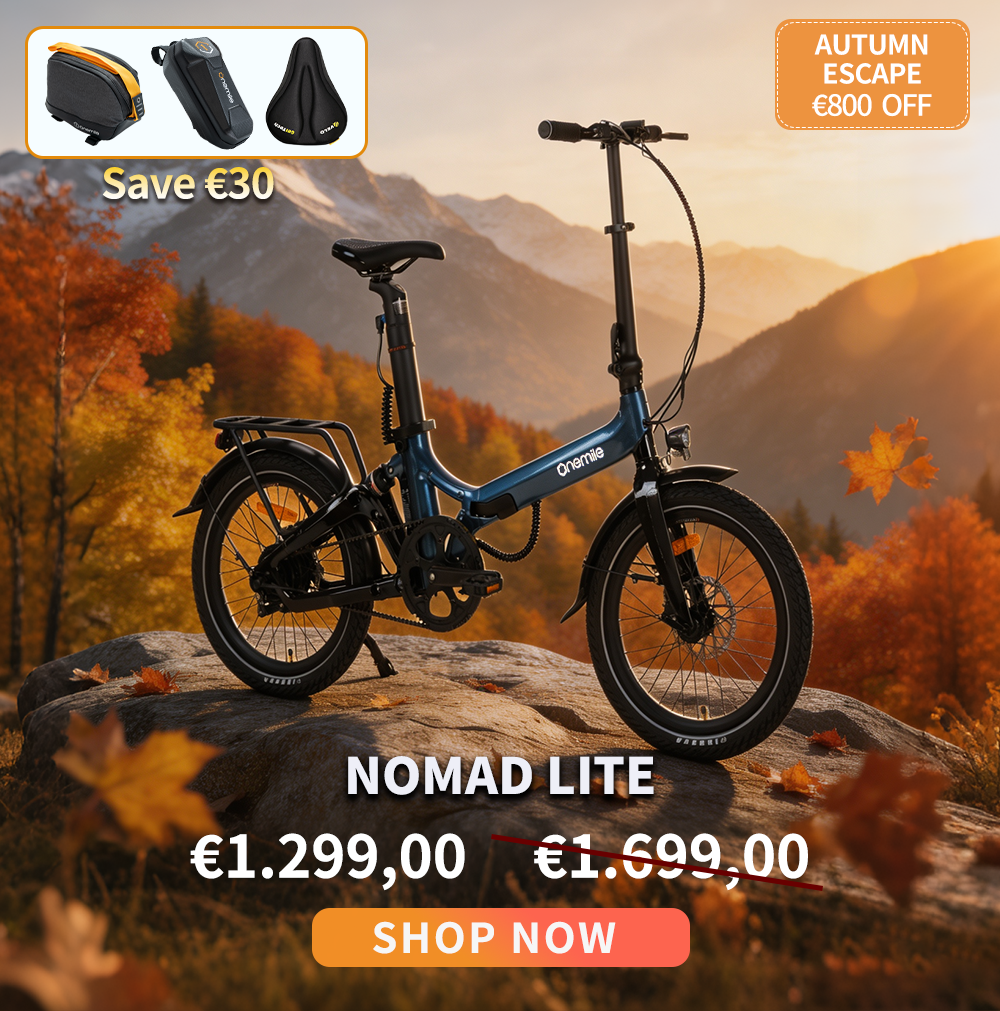
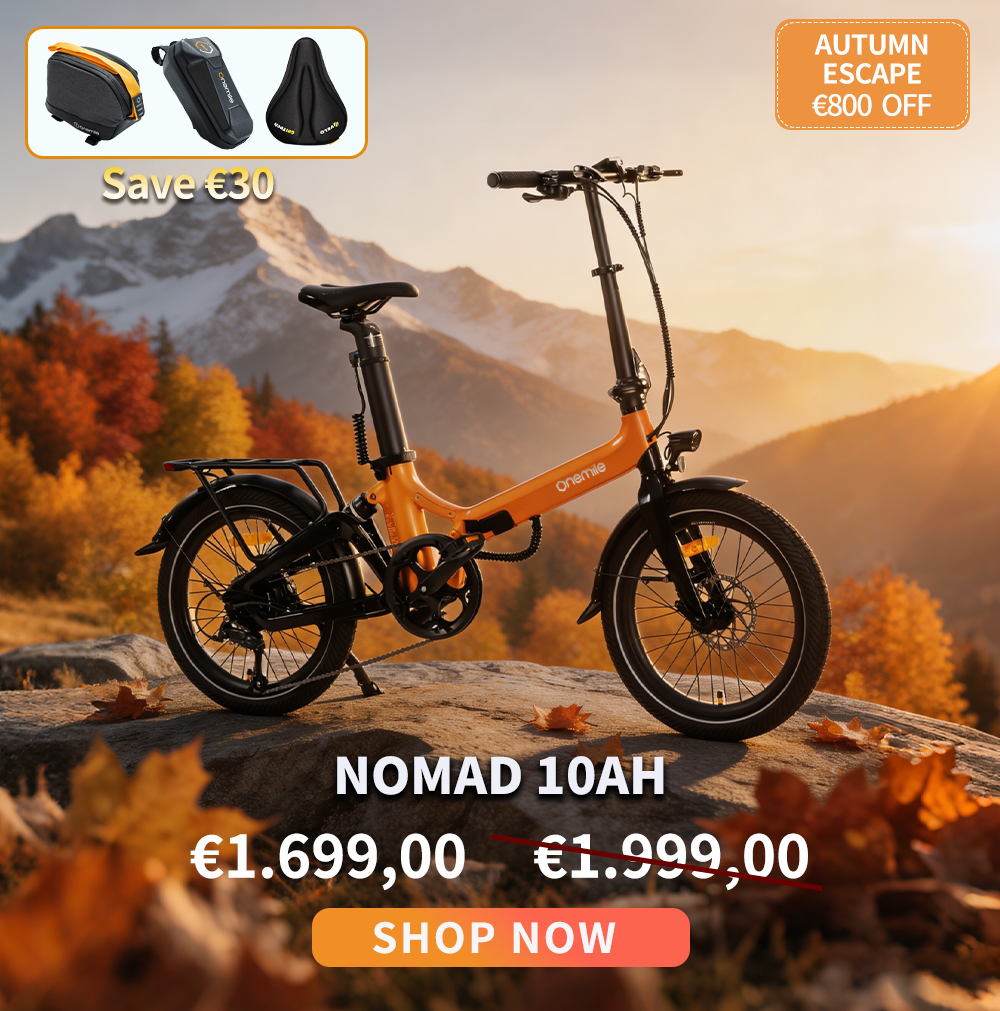
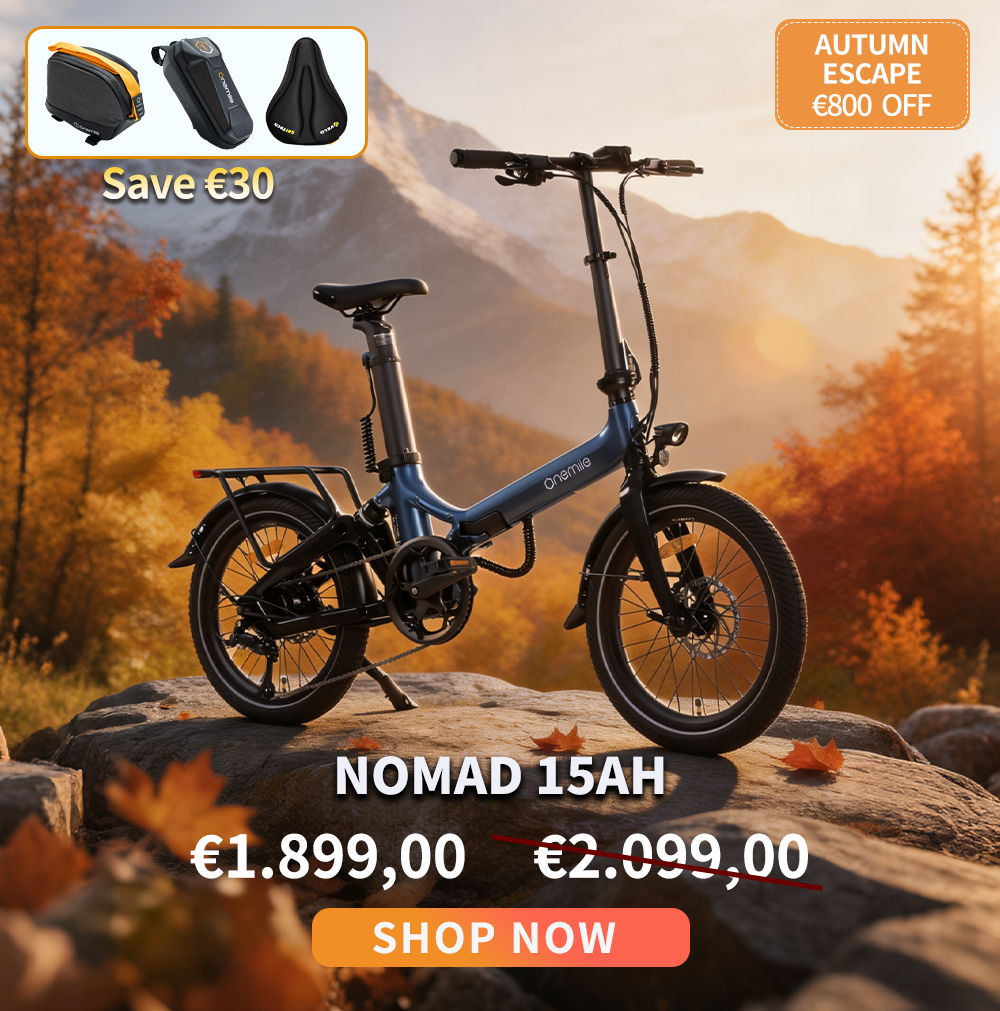
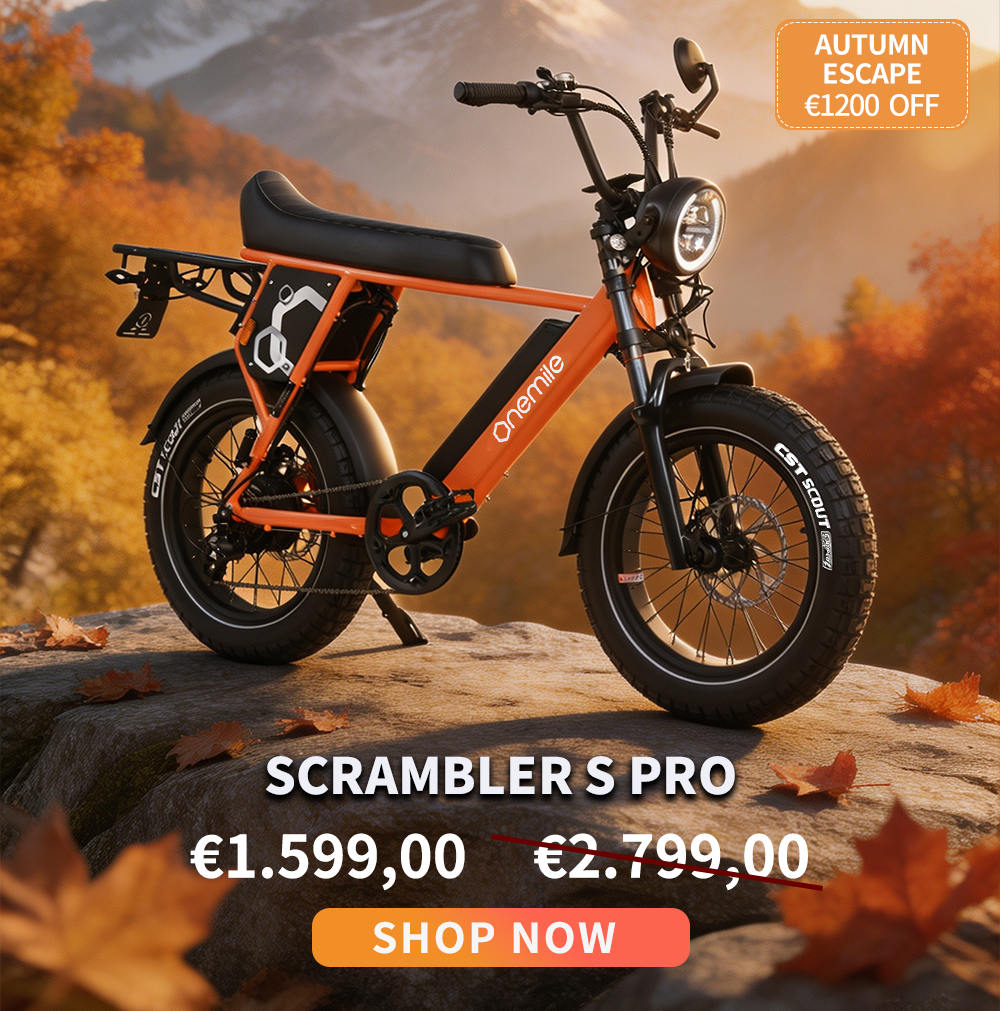
Models like the Onemile Nomad and Scrambler series represent the apex of smart micro-mobility engineering.
We refuse to resort to cheap, hazardous component stacking. Instead, we equip our bikes with ultra-precise, custom-tuned torque sensors, automotive-grade high-safety batteries, and internationally patented industrial folding mechanisms that make multi-modal commuting effortless.
By focusing on a "long-termism" design framework, your initial premium investment secures a reliable vehicle that operates flawlessly for years to come. When amortized over thousands of miles of dependable, joyful, and green commuting, the cost per day shrinks to mere pennies.

Laat een reactie achter
Alle reacties worden gemodereerd voordat ze worden gepubliceerd.
Deze site wordt beschermd door hCaptcha en het privacybeleid en de servicevoorwaarden van hCaptcha zijn van toepassing.