


As electric bikes revolutionize modern urban transportation, prospective buyers face a crucial technological crossroads: choosing the right ebike sensor. The sensor serves as the neural pathway of your electric bike, dictating how power is delivered and defining the overall riding experience. In the showdown of cadence sensor vs torque sensor, understanding how these mechanisms behave on busy city streets is key to unlocking your perfect daily ride.
What is a Cadence Sensor?
A cadence sensor functions like a simple on/off switch. It measures how fast you are pedaling (revolutions per minute) to determine when to supply motor power. Once the sensor detects pedal rotation, it signals the controller to deliver a predetermined boost, regardless of how hard you are pushing.
Pros:
- Highly cost-effective and budget-friendly
- Demands minimal physical effort since the motor does the heavy lifting once rotation begins
- Features highly mature, easy-to-maintain technology
Cons:
- Suffers from noticeable power latency (lag upon starting and a brief push forward after you stop pedaling)
- Lacks a natural, intuitive connection between the rider and the ebike
What is a Torque Sensor?
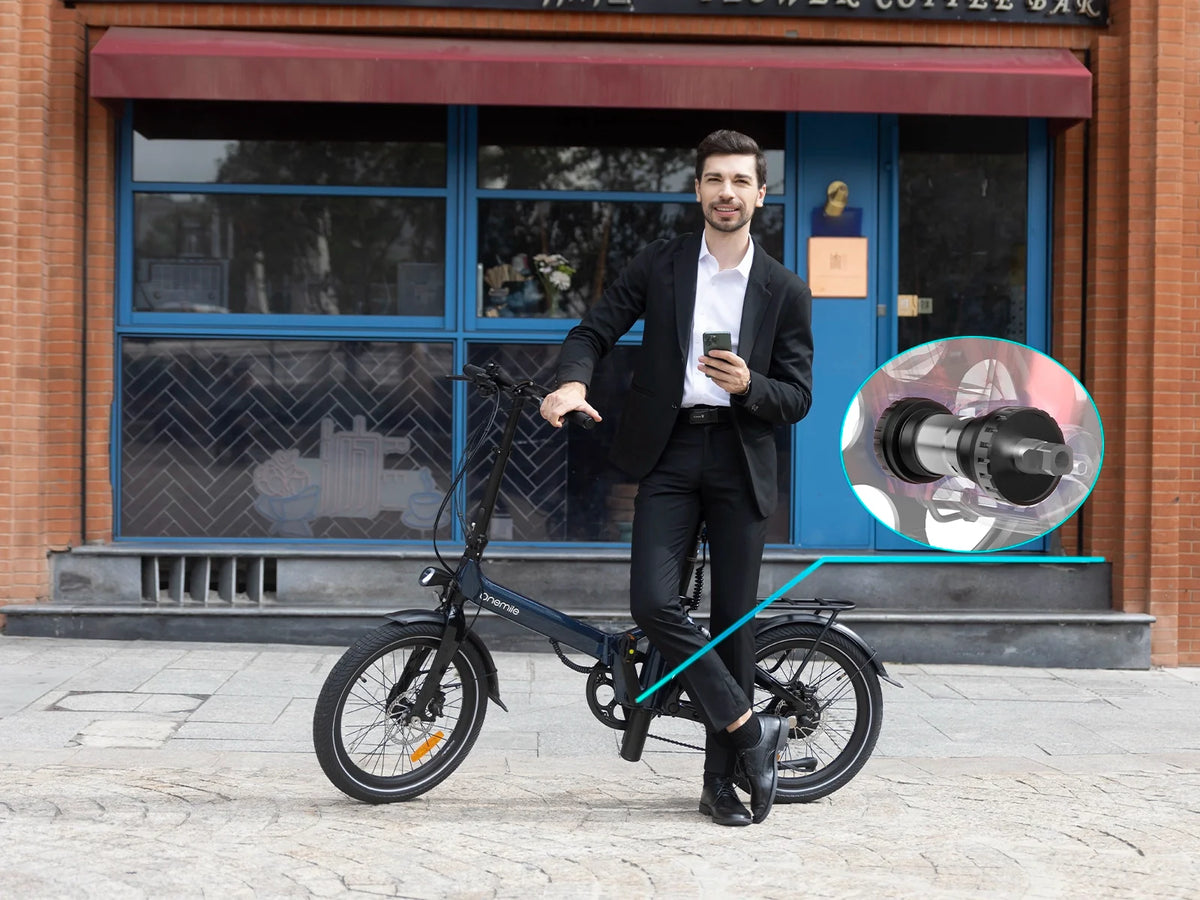
A torque sensor acts like a dynamic amplifier. Utilizing a precision strain gauge, it measures the actual force (torque) you apply to the pedals. Instead of merely tracking rotation, it calculates your real-time effort and instantly outputs proportional motor assistance to match your riding intensity.
Pros:
- Offers zero-latency power delivery with exceptionally smooth acceleration
- Highly energy-efficient as it allocates power strictly on-demand
- Provides an intuitive, sporty, and natural cycling sensation
Cons:
- Comes with a higher price tag due to advanced tech components
- Requires continuous physical effort from the rider to sustain peak motor assistance
Cadence Sensor vs Torque Sensor: Which Is Better?
For city dwellers, the differences between these two systems become instantly apparent at every red light, steep overpass, and crowded bike lane. While both sensors will successfully get you from point A to point B, their power delivery styles, energy consumption rates, and overall ride quality represent two entirely different philosophies of micro-mobility.
|
Feature |
Cadence Sensor |
Torque Sensor |
|
Power Delivery |
Step-like, binary (On/Off) with noticeable latency |
Linear, continuous, and instantly responsive |
|
Riding Feeling |
Robotic; feels like being pushed by an external motor |
Intuitive; feels like a natural extension of your own legs |
|
Battery Efficiency |
Lower; tends to over-allocate power, draining the battery faster |
High; dynamically allocates energy based on real-time demand |
|
Start-Up Lag |
Delay of 0.5 to 1.5 seconds before assistance begins |
Instantaneous (Zero-latency) support from the very first stroke |
|
Price Point |
Budget-friendly and highly economical |
Premium pricing due to sophisticated strain-gauge technology |
When analyzing power delivery, cadence systems often feel binary—either fully engaged or entirely off. In stop-and-go city traffic, this can lead to jerky starts. Torque sensors, conversely, calculate changes in pedal pressure instantly, providing an exceptionally smooth and safe urban ride. Furthermore, because torque sensors only draw substantial energy when you push hard, they optimize battery consumption, giving city commuters extra miles per charge.
Which Ebike Sensor is Best for Your Riding Style?
Your choice between a cadence sensor vs torque sensor depends on your personal daily needs and physical preferences. Let's break down which sensor matches your lifestyle:
Choose a Cadence Sensor if: You are on a strict budget, prefer an effortless commute where you don't break a sweat, enjoy "casual, slow-spinning" leisure rides, and don't mind a slight delay in power transition.
Choose a Torque Sensor if: You prioritize premium ride quality, frequently navigate stop-and-go city traffic and hilly terrain, demand maximum battery range, and seek a sporty, responsive connection with your ebike.
Conclusion
In the debate of cadence sensor vs torque sensor, there is no single winner—only the sensor that aligns with your commute. However, for riders seeking intelligence, safety, and ultimate smoothness in dense urban environments, the torque sensor is the undisputed future of modern ebikes.
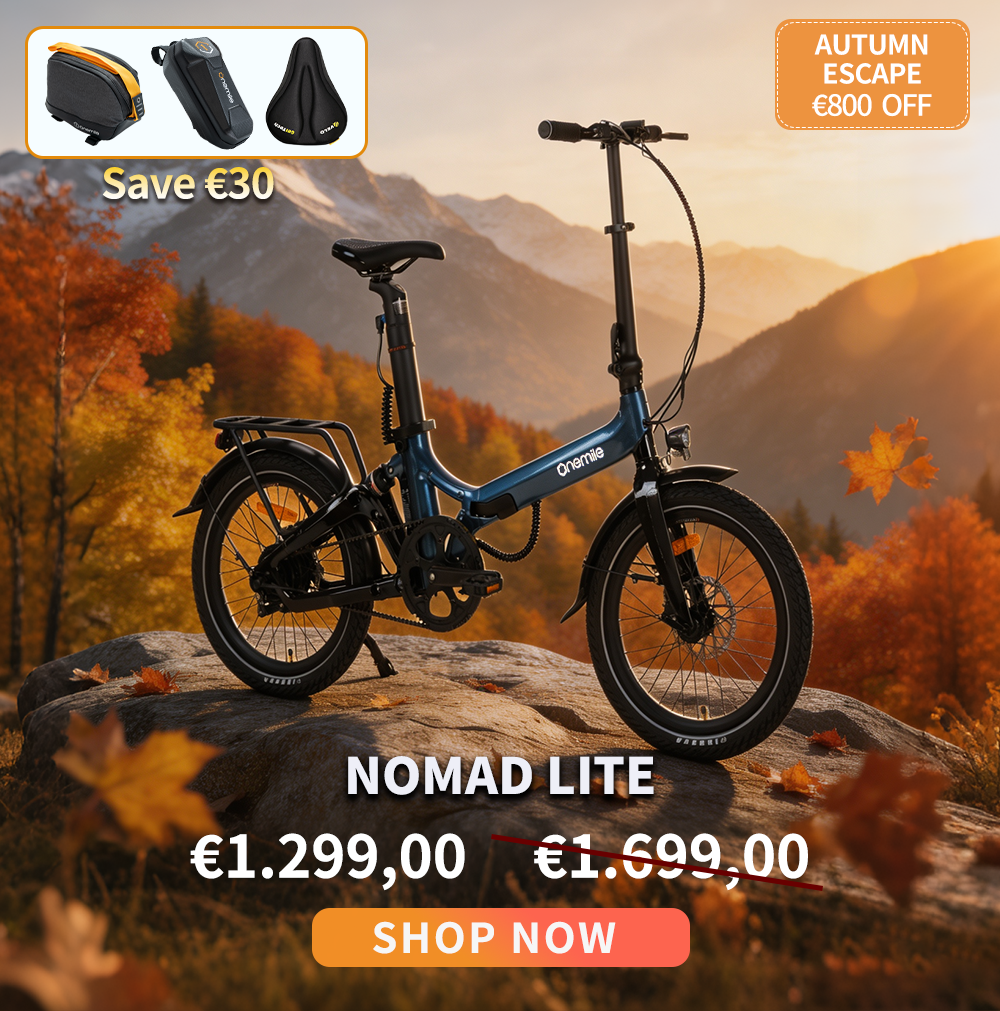
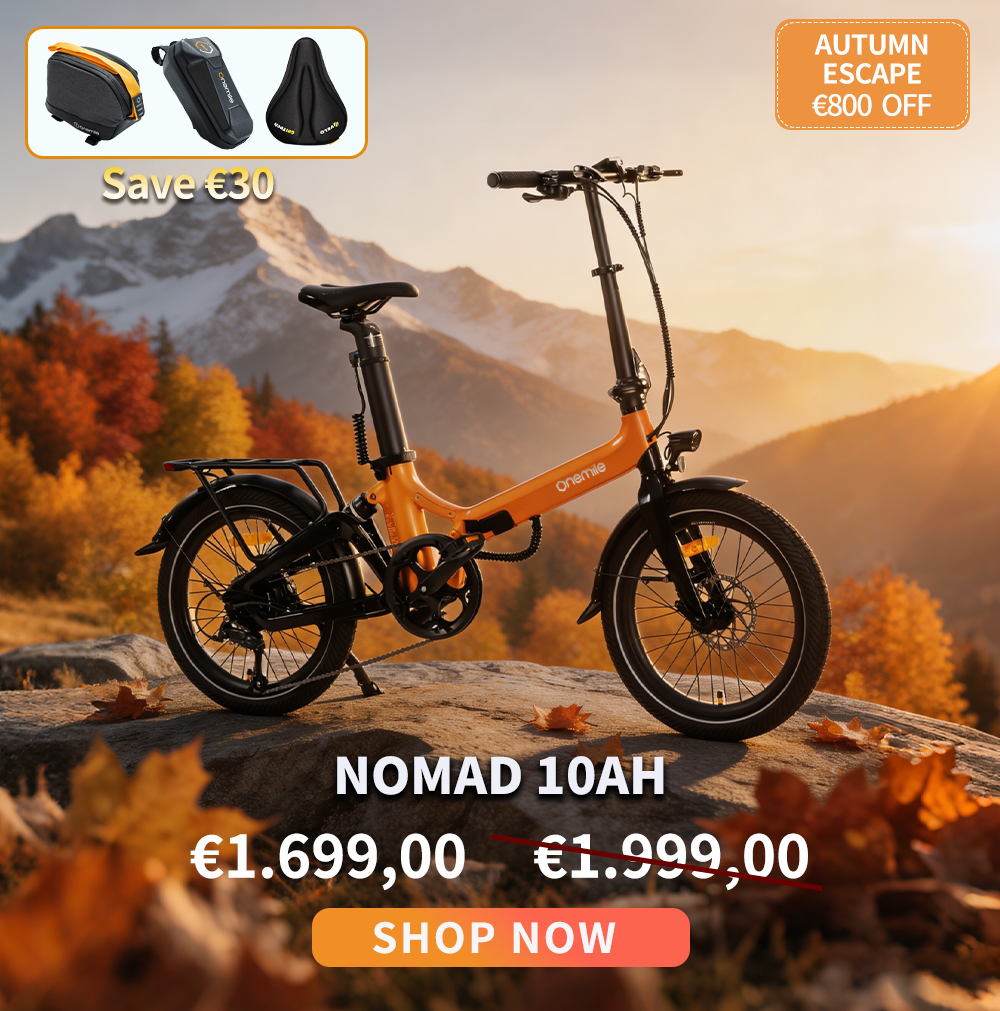
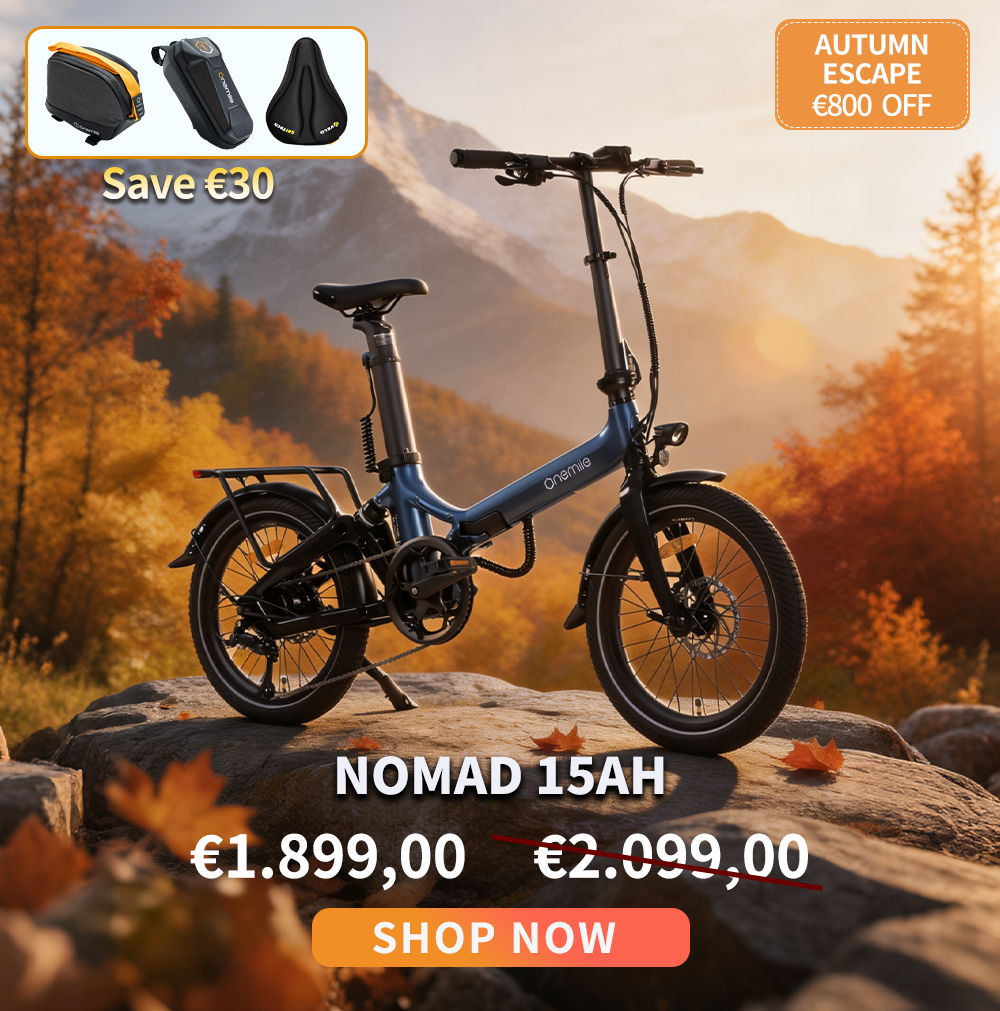
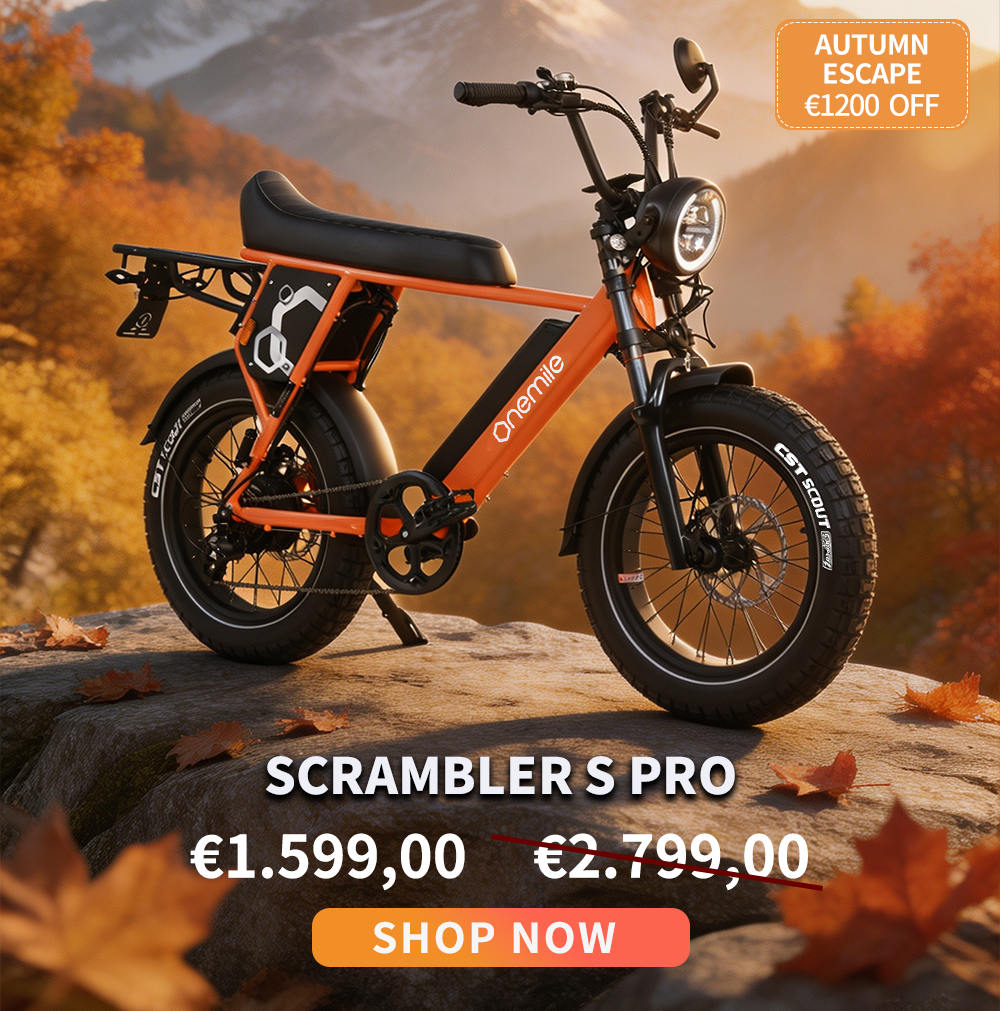
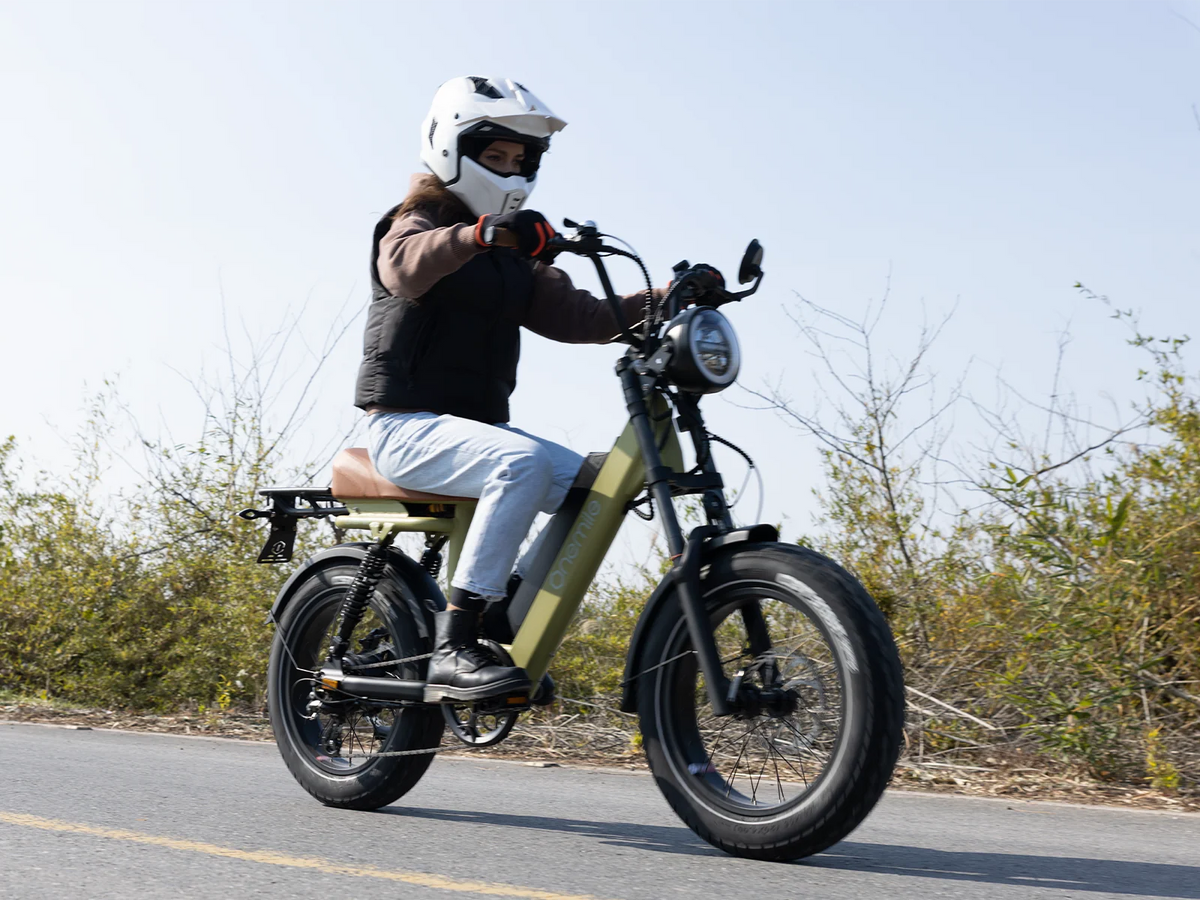
Ready to elevate your commute? Explore the Onemile Ebike Series. Featuring precision-tuned smart torque sensor technology, Onemile bikes seamlessly harmonize with your movements, transforming every city street into a smooth, effortless journey. Visit Onemile today to start your next premium urban adventure!


Laat een reactie achter
Alle reacties worden gemodereerd voordat ze worden gepubliceerd.
Deze site wordt beschermd door hCaptcha en het privacybeleid en de servicevoorwaarden van hCaptcha zijn van toepassing.